Environment, Agriculture & Natural Resources Department
HEAD OF DEPARTMENT
Mrs Takura
Our department’s operations are driven by four core pillars:
1. Wildlife and Natural Resource Management (CAMPFIRE)
Guruve RDC is a district rich in wildlife and indigenous forests. We manage these resources to ensure they directly benefit the communities that live alongside them.
The CAMPFIRE Programme: Administering the Communal Areas Management Programme for Indigenous Resources. We facilitate eco-tourism and sustainable hunting concessions, ensuring that revenues are channeled back into community infrastructure and ward-level development.
Human-Wildlife Conflict: Working with the Zimbabwe Parks and Wildlife Management Authority (ZimParks) to mitigate and manage conflicts between wildlife and local communities, particularly in areas bordering the Zambezi Escarpment and Mavhuradonha.
Resource Licensing: Regulating and issuing permits for the sustainable commercial extraction of natural resources, including pit sand, river sand, quarry stones, and timber, to prevent unregulated environmental degradation.
2. Environmental Protection and Waste Management
We strive to maintain a clean, safe, and healthy environment across all business centers, growth points, and rural wards.
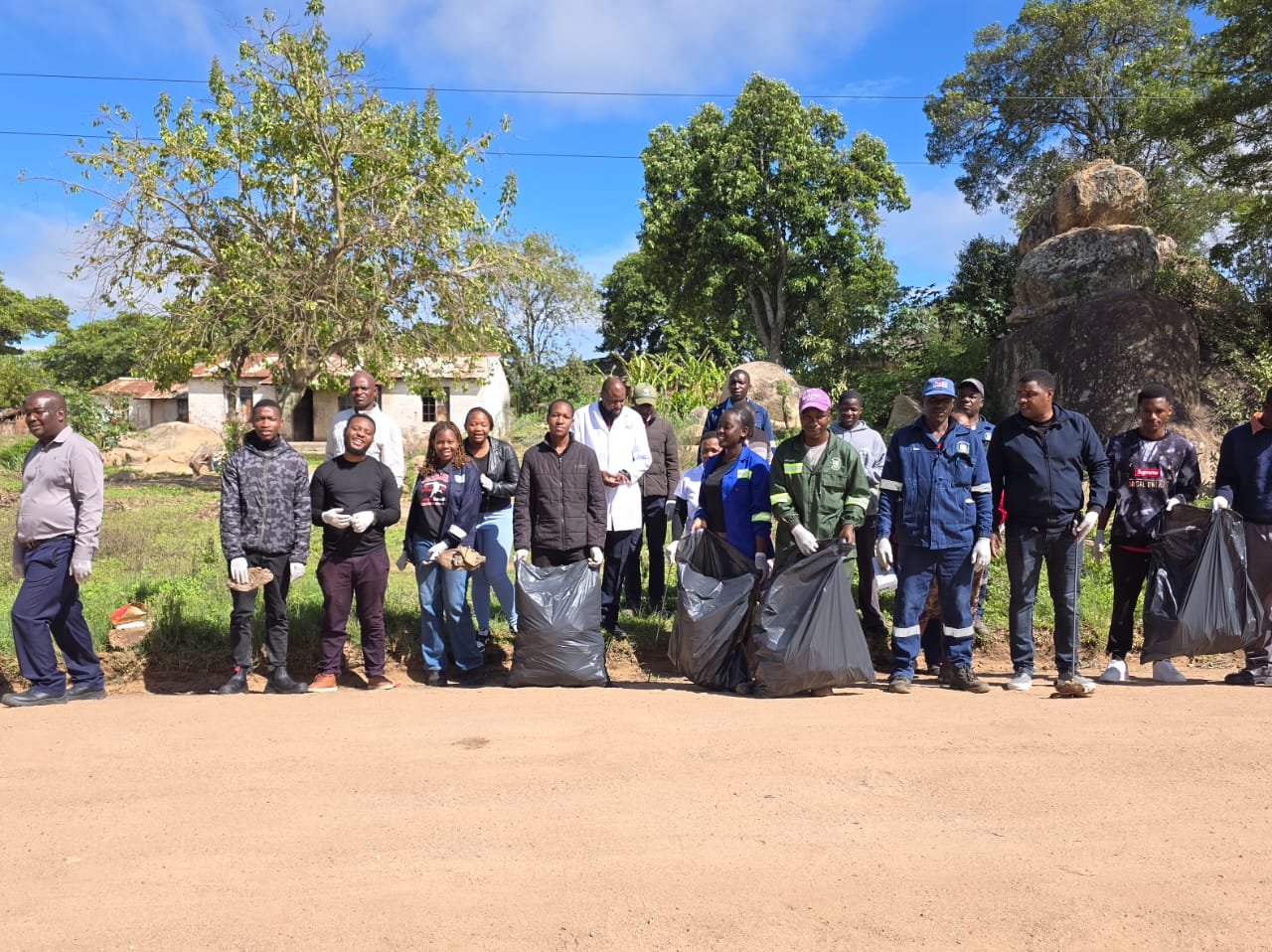
Solid Waste Management: Overseeing routine refuse collection in commercial and residential areas, managing official district dumpsites, and promoting recycling and safe waste disposal practices.
Anti-Littering and Pollution Control: Enforcing environmental by-laws to prevent illegal dumping, water pollution, and hazardous waste mismanagement in collaboration with the Environmental Management Agency (EMA).
Environmental Impact Assessments (EIAs): Reviewing and monitoring major development, mining, and construction projects within the district to ensure they comply with national environmental safety standards.
3. Climate Change Adaptation and Land Conservation
As a district vulnerable to climate extremes, including droughts and seasonal flooding, proactive land conservation is critical.
Afforestation Programs: Promoting tree-planting initiatives, establishing community nurseries, and combating deforestation caused by unregulated firewood harvesting and tobacco curing.
Soil and Water Conservation: Implementing gully reclamation projects, protecting local wetlands, and educating communities on the prevention of veld fires.
Disaster Risk Reduction: Collaborating with the Civil Protection Unit (CPU) to build community resilience against climate-induced disasters and coordinate emergency environmental responses.
4. Agriculture and Livestock Development
Agriculture is the economic backbone of Muzarabani. We support local farmers in adopting sustainable and productive agricultural practices.
Livestock Management: Constructing, maintaining, and supplying communal dip tanks to control tick-borne diseases. We also assist in issuing livestock movement permits to curb stock theft and disease outbreaks.
Agricultural Extension Support: Partnering with AGRITEX officers and NGOs to promote climate-smart agriculture, drought-resistant crop varieties, and conservation farming (Pfumvudza) among smallholder farmers.
Pest and Disease Control: Coordinating responses to agricultural threats, such as armyworm outbreaks or locust swarms, to protect local food security.